In today’s digital age, there is a fundamental component that plays an active role in every corner of the internet, but often remains in the background: servers. Let us think for a moment, you wake up in the morning and check the notifications on your cell phone, then maybe you send an email or want to check the status of your order. With a single click, all the information you are looking for at that moment instantly appears on your screen. Well, how is this possible? This is exactly where servers come into play to provide this data exchange. All the data you want (articles, images, videos) is actually stored on a server and when you make a request, the relevant server sends you this data and allows you to see it on your device. In short, every digital interaction on the internet takes place with the existence of one or more servers. From the operation of our websites to our emails, from online games to cloud storage, every kind of digital service you can think of is possible thanks to servers.
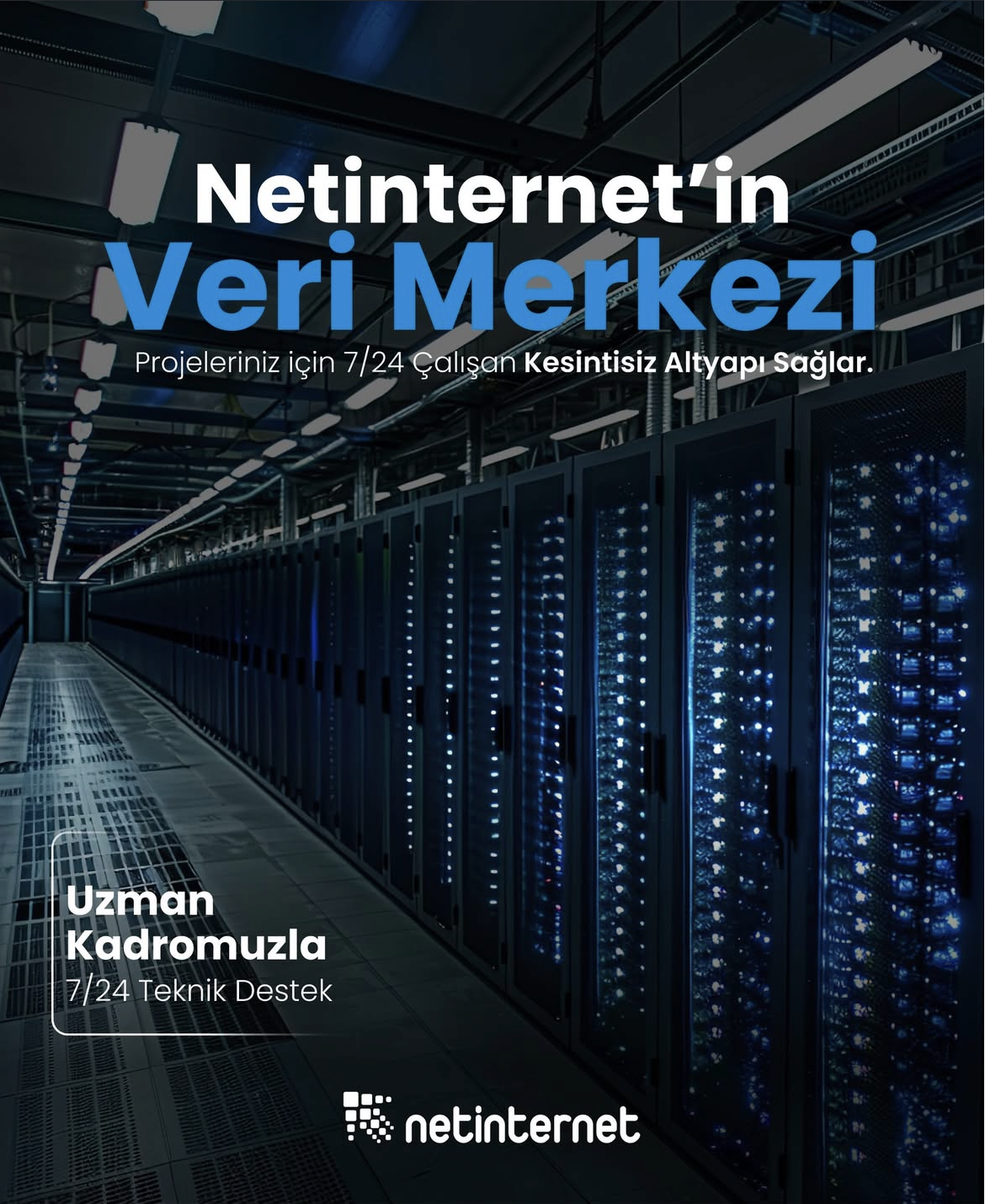
A server, in its simplest definition, is a powerful computer system that provides services and resources to other computers (“clients”) on a network. Servers are designed to operate continuously 24⁄7 and are equipped with special hardware and software to provide high performance, security, and stability. When you visit a website, you have actually requested data from a web server where the site data is stored. The server receives this request, processes it, and sends the requested information to your device.
Why Do We Need a Server?
So why do we need a special server instead of our own computer? The main reasons for this are:
- Uninterrupted Operation: Websites or applications must be constantly accessible. Servers are designed for this purpose.
- High Performance: They have the capacity to quickly process many simultaneous requests.
- Security: They offer advanced security measures to protect sensitive data and be resistant to cyber attacks.
- Scalability: They offer the flexibility to increase or decrease resources as the workload increases.
- Accessibility: They provide 24⁄7 access from anywhere with an internet connection.
Server Types: Solutions According to Need
Servers are configured in various types according to different needs and scales. Here are the most common server types:
1. Physical Server (Dedicated Server)
A physical server is an independent hardware that is exclusively allocated to a customer or organization, with all resources (processor, RAM, storage, etc.) used only by that user. You can think of it like renting a house all by yourself; all the space and amenities belong to you.
Who Is It Suitable For?
It is ideal for very high-traffic websites, large-scale applications/services, game servers, intensive workloads, or businesses with special security requirements. Netinternet’s Dedicated Server services offer custom solutions in this area.
Advantages:
- Full Control and Customization: You can configure everything from the operating system to software according to your own needs.
- Maximum Performance: Since all hardware resources belong to you, you are not affected by the usage of any other user.
- High Security: Thanks to resource isolation, you are not affected by the security risks of other users.
2. Virtual Servers: VDS and VPS
Virtual servers are obtained by creating multiple independent server environments on a single physical server through software. This means dividing the resources of the physical server (CPU, RAM, storage) into sections with virtualization technology. VDS and VPS are the most common virtual server types known.
VDS (Virtual Dedicated Server)
VDS are virtual servers where the hardware resources of a physical server are divided in a specific and guaranteed manner with virtualization technology. It is like renting an apartment; you have a specific area and resources allocated to you that are not shared with others.
Who Is It Suitable For?
It is ideal for high-traffic web services, corporate applications, and users with higher performance expectations. Netinternet’s VDS Virtual Server services meet this need in the most performant way thanks to the high-speed SSD disks they house.
Advantages:
Guaranteed Resources: Resources such as CPU and RAM allocated to you are always available for your use, not affected by other VDS.
Higher Performance: More stable and performant than VPS because the risk of resource conflict is low.
Isolation: Provides better isolation and security.
VPS (Virtual Private Server)
VPS are virtual servers where the resources of a physical server are divided with virtualization but unlike VDS, resources can be dynamically allocated from a shared pool. You can think of it like a few families living in the same apartment building but using water from a common pool; usage can change according to instant demand.
Who Is It Suitable For?
It is suitable for small and medium-sized projects, blogs, or those looking for budget-friendly solutions.
Advantages:
- Cost Efficiency: Generally more affordable than VDS.
- Flexibility: Easier to increase and decrease resources according to need.
3. Managed Server
Managed server service is a solution where all technical management processes of your physical or virtual server (installation, configuration, security updates, backups, troubleshooting, performance optimization, and proactive monitoring) are undertaken by your provider. This service provides great convenience for institutions that do not want to deal with the technical details of their server or do not have sufficient knowledge, time, or personnel on this subject.
Who Is Managed Server Ideal For?
- Large-Scale Corporate Companies: Companies that prefer to outsource the expertise needed to manage large and complex infrastructures rather than keeping it in-house, and companies that are sensitive about cybersecurity and compliance.
- Businesses Without Technical Personnel: Companies that do not have sufficient technical teams to do 24⁄7 server management in-house or that want to focus on their core business.
- Companies with Critical Applications: Projects such as e-commerce sites, banking or healthcare sector applications where uninterrupted uptime and high performance are vital for business continuity.
- Those with Time Constraints: Business owners who prefer to focus on business development rather than dealing with operational burdens such as server maintenance and troubleshooting.
Advantages of Managed Server:
- Expert Support and Proactive Management: 24⁄7 monitoring by expert teams in servers, early detection and resolution of possible problems.
- Advanced Security: Providing maximum protection with continuous security updates, penetration tests, firewall management, and malware scans.
- Performance Optimization: Ensuring the server is configured in the best way, continuously running at high performance with software updates and performance settings.
- Disaster Recovery and Backup: Minimizing the risk of data loss with regular data backups and disaster recovery scenarios.
- Cost and Time Savings: You save the cost of setting up and training your own technical team, and you increase your efficiency by focusing on your core business.
With Netinternet’s Managed Servers service, you can leave the workload to professional hands and ensure that your digital presence works uninterruptedly and securely.
4. Cloud Server
Cloud servers, although similar to virtual servers at their core, are virtual servers where physical hardware resources are not tied to a single machine but are dynamically allocated from a wide “cloud” infrastructure consisting of multiple servers. You can think of it like checking into a hotel; the number of rooms and resources is almost unlimited and can flex according to your needs.
Who Is Cloud Server Suitable For?
The flexibility, scalability, and high availability offered by cloud servers make them an ideal option for a very wide variety of user profiles and business models. Here are situations where cloud servers are especially useful:
Development and Testing Environments: Programmers and development teams can quickly set up and shut down server environments to test new applications or websites. When the project is completed or the test is finished, they can prevent unnecessary costs by shutting down the server. This is a great advantage especially for teams constantly working on new projects or needing different test scenarios.
Businesses Wanting to Optimize Their Budget: Since cloud servers work on a “pay as you go” model, they eliminate the need for a large upfront investment. This is an attractive option especially for startups in the early stages or SMEs that want to tightly control costs. You only pay for the resources you consume.
Disaster Recovery and Backup Solutions: Thanks to the natural redundancy and distributed structure of cloud infrastructure, you can back up your data and applications to different geographic locations and quickly continue your service in case of a possible disaster. This is critically important for business continuity.
Big Data Analysis and Machine Learning Projects: For projects requiring intensive processing power or high storage capacity, cloud servers offer scalable resources on demand. Instead of a long-term fixed hardware investment, it provides the flexibility to rent high resources at certain stages of the project.
Cloud servers are a modern and powerful option for any project and business that wants to manage its digital infrastructure wisely, with the advantages of flexibility and cost efficiency.
Advantages:
- High Flexibility and Scalability: You can increase and decrease resources (CPU, RAM) within seconds instantly as needed. This way, you pay only for the resources you use.
- High Availability and Redundancy: Even in case of physical server failure, service continues without interruption through another server.
- Payment Model: Generally pay-as-you-go model, which allows you to optimize costs.
Server Hosting Service
Server hosting is a service where you purchase your own physical server, manage and maintain it yourself, while hosting your server in a data center. This service allows you to receive the secure environment, high-speed internet connection, uninterrupted power supply, air conditioning, and physical security required for your server from a provider like Netinternet.
Who Is It Suitable For?
It is ideal for large enterprises or technology companies that have invested in their own server hardware but want a professional data center environment and connection speed. Netinternet’s Server Hosting services are prepared to meet all requirements for your servers at a high level.
Critical Components in Server Hardware
SSD Disks (Solid State Drive)
These are storage units with much faster data reading and writing capacity compared to traditional HDDs (Hard Disk Drives). SSD disks allow applications, databases, and websites on the server to respond much faster.
Advantages: High speed, low latency, less energy consumption, more durable structure.
Why Is It Important?
It is of critical importance especially for database-intensive applications, high-traffic websites, and projects that want fast page loading times. You can host your projects on high-speed servers with Netinternet’s SSD VDS Virtual Server services.
Processor (CPU) and RAM
Processor (CPU): It is like the brain of the server, performing all calculation operations. The more powerful the processor, the more and faster the server can process. Servers generally use multi-core and multi-processor supported CPUs.
RAM (Memory): The area where the processor temporarily stores the data it needs at the moment. Sufficient RAM ensures that applications run smoothly and multiple requests can be processed simultaneously. Server RAM is generally error-correcting coded (ECC RAM), focusing on ensuring data integrity.
Server Usage Areas and Special Server Types
Servers not only host websites but serve very diverse digital needs:
- Web Server: Hosts website files and presents them to browsers. (e.g.: Apache, Nginx, LiteSpeed)
- Database Server: Stores and manages data used by web applications or other software. (e.g.: MySQL, PostgreSQL, MSSQL)
- Mail Server: These are servers that allow sending and receiving email. They manage in-house or personal email communication. (e.g.: Exim, Postfix, Microsoft Exchange)
- Game Server: Provides the necessary infrastructure for online multiplayer games to run without interruption.
- Storage Server: Used for large data backups or cloud storage services.
Server Security and Maintenance
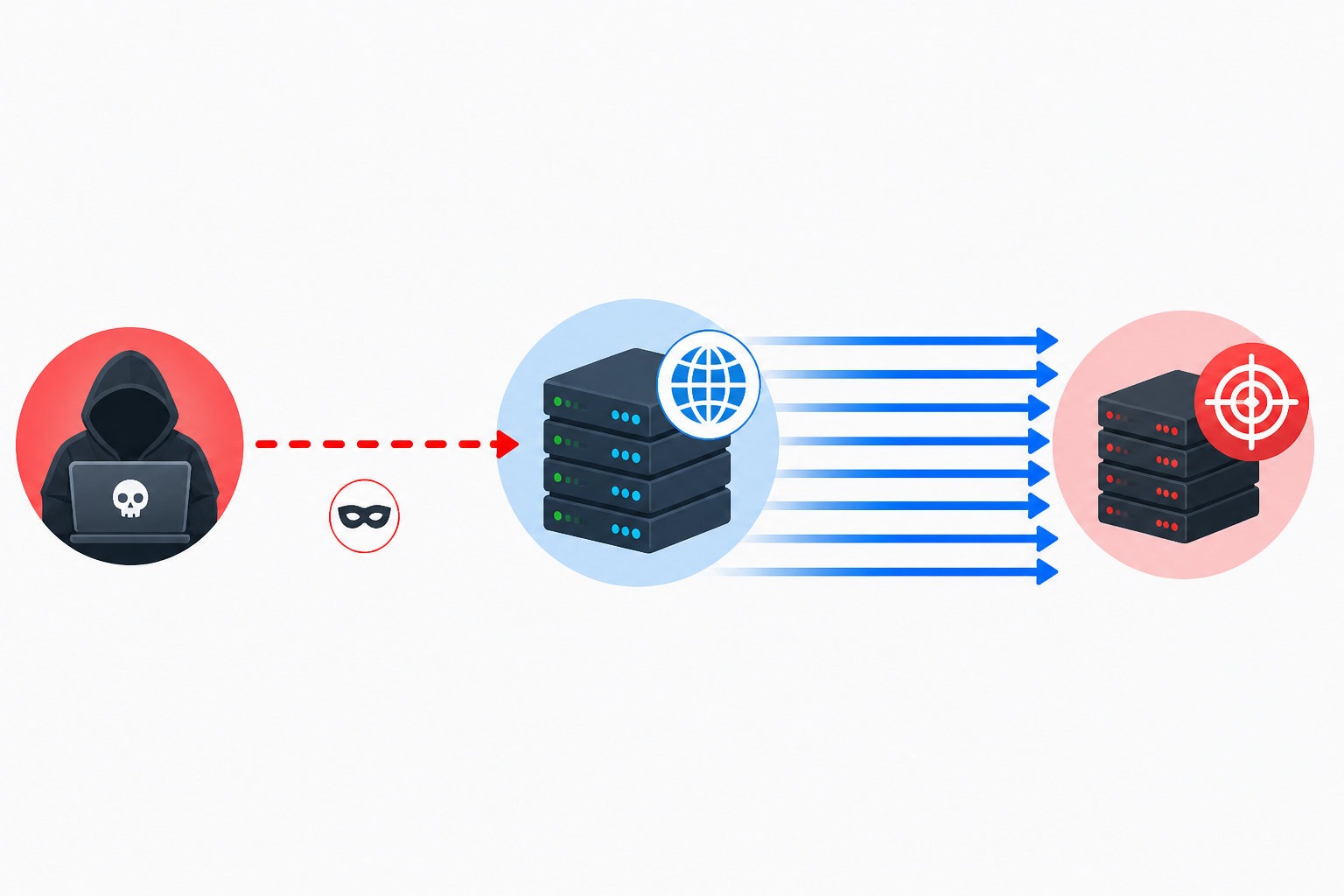
Servers are not only the heart of the digital world but also the constant target of cyber attackers. For this reason, server security and regular maintenance are of vital importance:
- Firewalls: Controls incoming and outgoing traffic to the server and blocks unauthorized access.
- Updates: Operating system and software updates close security vulnerabilities and improve performance.
- Backups: Regularly backing up data prevents possible data losses.
- Monitoring: Continuously monitoring server performance and resource usage allows early detection of possible problems.
Most Frequently Asked Questions (FAQ)
What is the difference between a cloud server and a normal server?
- A cloud server is essentially a virtual server but is not dependent on a single physical hardware; resources are dynamically provided from a wide “cloud” infrastructure consisting of multiple servers. This provides dynamic advantages of high flexibility, scalability, and pay-as-you-go. The term “normal server” generally refers to a single physical server (dedicated server) or virtual servers tied to a specific physical server (VDS/VPS); here resources are more definite and instant scaling is more limited.
What is a Server Operating System?
- A server operating system is a special operating system on which the server runs, optimized to support network services, multi-user access, and high-performance applications. Unlike desktop operating systems, it generally has less graphical interface and focuses resources on server tasks. Examples include Windows Server, CentOS, Ubuntu Server, Debian distributions.
Why should I get Managed Server service?
- Managed server service allows you to leave all technical management of your server (installation, security, backup, update, optimization) to your provider. This way, even without technical knowledge or an IT team, your server is professionally managed and you can focus on your core business. It is especially ideal for large-scale corporate companies and businesses with critical applications.
The Right Server Choice Is the Key to the Job
Servers are the fundamental pillar of your digital world presence. Whether you host a personal blog, a large e-commerce site, or a complex corporate application, choosing the right type of server and service is critically important for your success. Correctly analyzing your needs, determining your budget, and working with a reliable provider will help you achieve your digital goals.
As Netinternet, we are by your side in your digital journey by offering solutions across a wide range from physical servers to virtual servers, from managed server services to server hosting. Do not hesitate to contact Netinternet’s expert team to find the right solution for your server needs and to confidently bring your projects to life.